

freestanding bathroom mirror
Understanding Micrometer Sets A Comprehensive Guide Micrometers are essential precision measuring instruments widely used in various fields such as engineering, manufacturing, and science. Their primary purpose is to measure small dimensions with high accuracy, making them indispensable tools for professionals who require precise measurements in their work. A micrometer set typically consists of various micrometers, each tailored for specific measurement applications. In this article, we will explore the components of a micrometer set, their functions, and how to use them effectively. Components of a Micrometer Set A standard micrometer set generally includes several key components 1. Micrometers The core of any micrometer set. There are different types of micrometers, including outside micrometers, inside micrometers, and depth micrometers. Each serves a unique purpose - Outside Micrometers Used for measuring the external dimensions of an object, such as the diameter of a rod or the thickness of a sheet. - Inside Micrometers Designed for measuring internal dimensions, such as the bore of a hole. - Depth Micrometers Ideal for measuring the depth of features, such as holes or grooves, especially in machining tasks. 2. Calibration Standards To ensure accuracy, micrometers often come with calibration standards. These might include gauge blocks or specific measurement standards that help verify the precision of the instrument. 3. Carrying Case A sturdy carrying case protects the micrometers during transport and storage. It typically has compartments for individual micrometers and calibration standards, ensuring they remain organized and safe from damage. 4. Instruction Manual Many micrometer sets include an instruction manual or a user guide . This resource is vital for understanding how to read and use the micrometers correctly. Understanding Micrometer Measurement One of the main features of micrometers is their ability to measure dimensions down to one-thousandth of a millimeter (0.001 mm) or even finer, depending on the quality of the micrometer. The measurement process involves the following steps micrometer set 1. Adjusting the Micrometer Open the micrometer jaws by turning the thimble, then place the object to be measured between the jaws. 2. Closing the Jaws Carefully turn the thimble to close the jaws around the object until there is a slight resistance. It is crucial not to overtighten, as this may lead to inaccurate readings or damage to the micrometer. 3. Reading the Scale Most micrometers feature a main scale and a graduated thimble. The main scale provides whole millimeter measurements, while the thimble offers fractional measurements. By combining the readings from both scales, you can determine the precise measurement. 4. Recording the Measurement After obtaining the measurement, it is essential to record it promptly and accurately for future reference. Proper documentation is critical in professional settings where precision is crucial. Importance of Calibration and Maintenance Maintaining the accuracy and longevity of micrometer sets is paramount. Regular calibration and proper handling can prevent measurement errors. Micrometers should be cleaned regularly to remove any dirt or debris that could affect their precision. Additionally, they should always be stored in their protective cases to prevent damage. Professional users often have micrometer sets calibrated by certified laboratories to ensure they meet industry standards. Depending on usage frequency and environmental conditions, calibration should occur at regular intervals. Conclusion A micrometer set is an invaluable tool for anyone involved in precision measurement. Understanding the different types of micrometers and how to use them correctly can significantly enhance measurement accuracy and efficiency. By maintaining these instruments with care and incorporating regular calibration into your routine, you can ensure reliable performance that meets the demands of your professional work. Whether you are an engineer, machinist, or hobbyist, investing in a quality micrometer set is a wise decision that pays off in terms of precision and reliability.
about
freestanding bathroom mirror
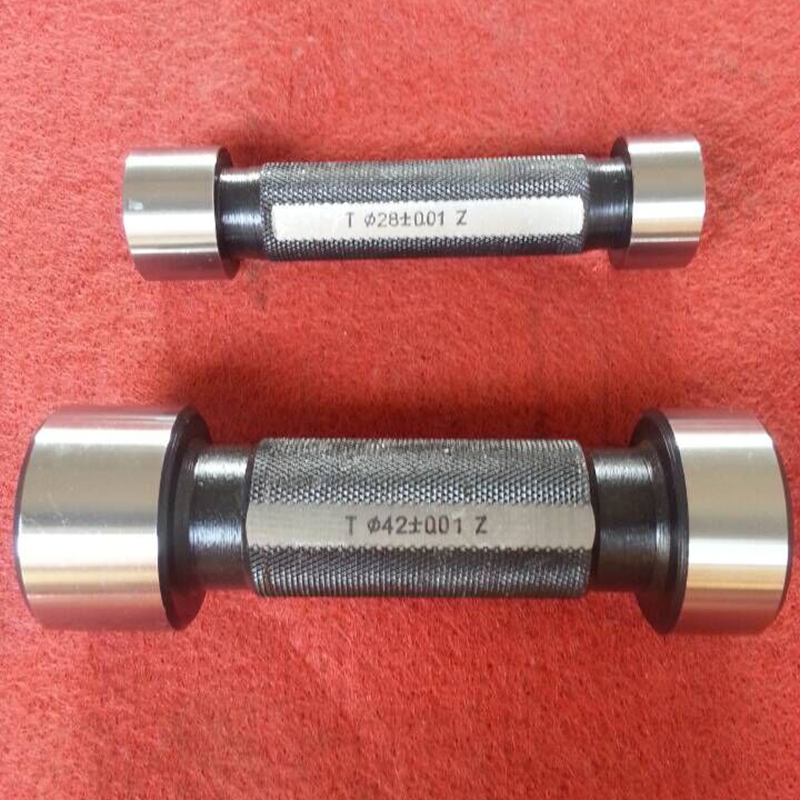
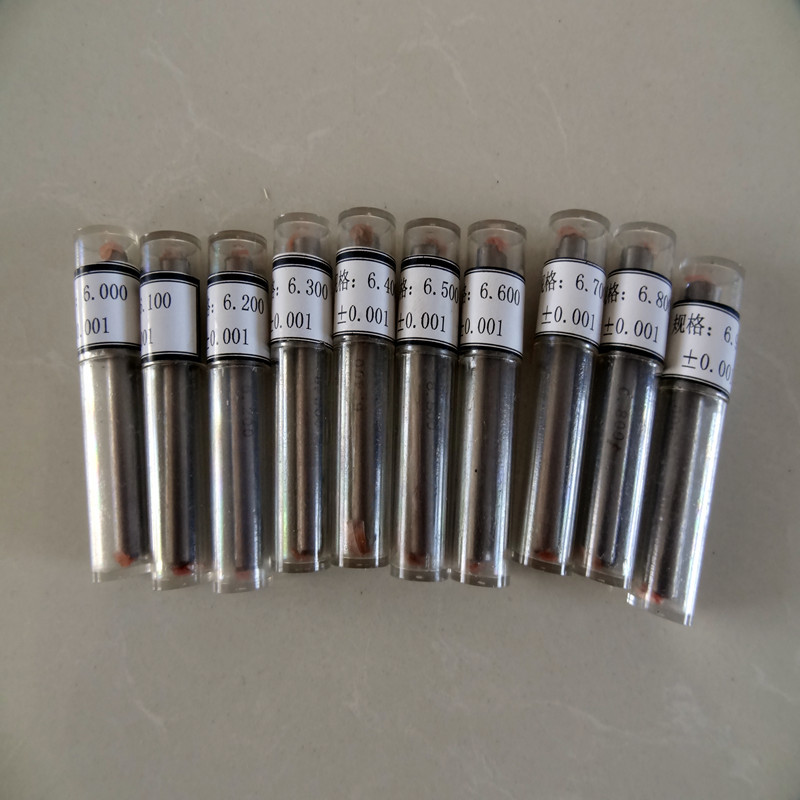
The Gauge Pin Class Precision Engineering at its Finest In the realm of precision engineering and manufacturing, the gauge pin class holds a significant position. These seemingly insignificant tools play a pivotal role in ensuring accuracy and consistency in various industrial processes. The term gauge pin refers to a cylindrical rod or pin used as a standard for measuring dimensions, particularly in the calibration of gauges and fixtures. Gauge pins are classified into different classes based on their tolerance levels, with each class catering to specific industry requirements. The classification system is crucial as it guarantees that the pins meet stringent standards for dimensional stability, roundness, and surface finish. This system ensures that the pins can accurately measure and maintain the quality of manufactured components. The most common gauge pin classes include Class 0, Class 1, Class 2, and Class 3. Class 0 pins, also known as 'extra fine' or 'super precision,' have the tightest tolerances and are typically used in applications where absolute precision is paramount, such as in aerospace and medical device manufacturing. On the other hand, Class 3 pins, with relatively looser tolerances, are more suitable for general-purpose measurements. The production process of gauge pins is meticulous and involves high-precision machining techniques. Materials like hardened steel, stainless steel, or carbide are commonly used due to their durability and resistance to wear Materials like hardened steel, stainless steel, or carbide are commonly used due to their durability and resistance to wear Materials like hardened steel, stainless steel, or carbide are commonly used due to their durability and resistance to wear Materials like hardened steel, stainless steel, or carbide are commonly used due to their durability and resistance to wear gauge pin class . Each pin undergoes rigorous inspection and testing, including dimensional checks, hardness tests, and visual inspections, to ensure they fall within the specified class parameters. The importance of gauge pin classes extends beyond the manufacturing floor. They are vital in maintaining quality control standards, preventing costly errors, and ensuring product reliability. Engineers and technicians rely on these pins to verify the accuracy of machinery, tools, and parts, making them indispensable in industries such as automotive, aerospace, and electronics. In conclusion, the gauge pin class system is a testament to the significance of precision in modern manufacturing. It underscores the need for accurate measurements and consistent quality, fostering trust in the products we use daily. From the smallest components in a smartphone to the intricate mechanisms of an aircraft, gauge pins serve as silent guardians of precision, silently ensuring that every detail aligns perfectly. Their role might be unseen, but their impact is undeniable, making them a cornerstone of engineering excellence.
-

High quality industrial productsagement

High quality industrial products
View Details -

Meet the diverse needs of customers

Meet the diverse needs of customers
View Details -

Strict quality control

Strict quality control
View Details -

Top raw materials

Top raw materials
View Details -

Trusted supplier

Trusted supplier
View Details
Our application

news and information
Versatile Metal Angle Ruler for Precision Measurements and Projects
The Versatility of the Metal Angle Ruler in Precision Measurement In the world of craftsmanship, eng
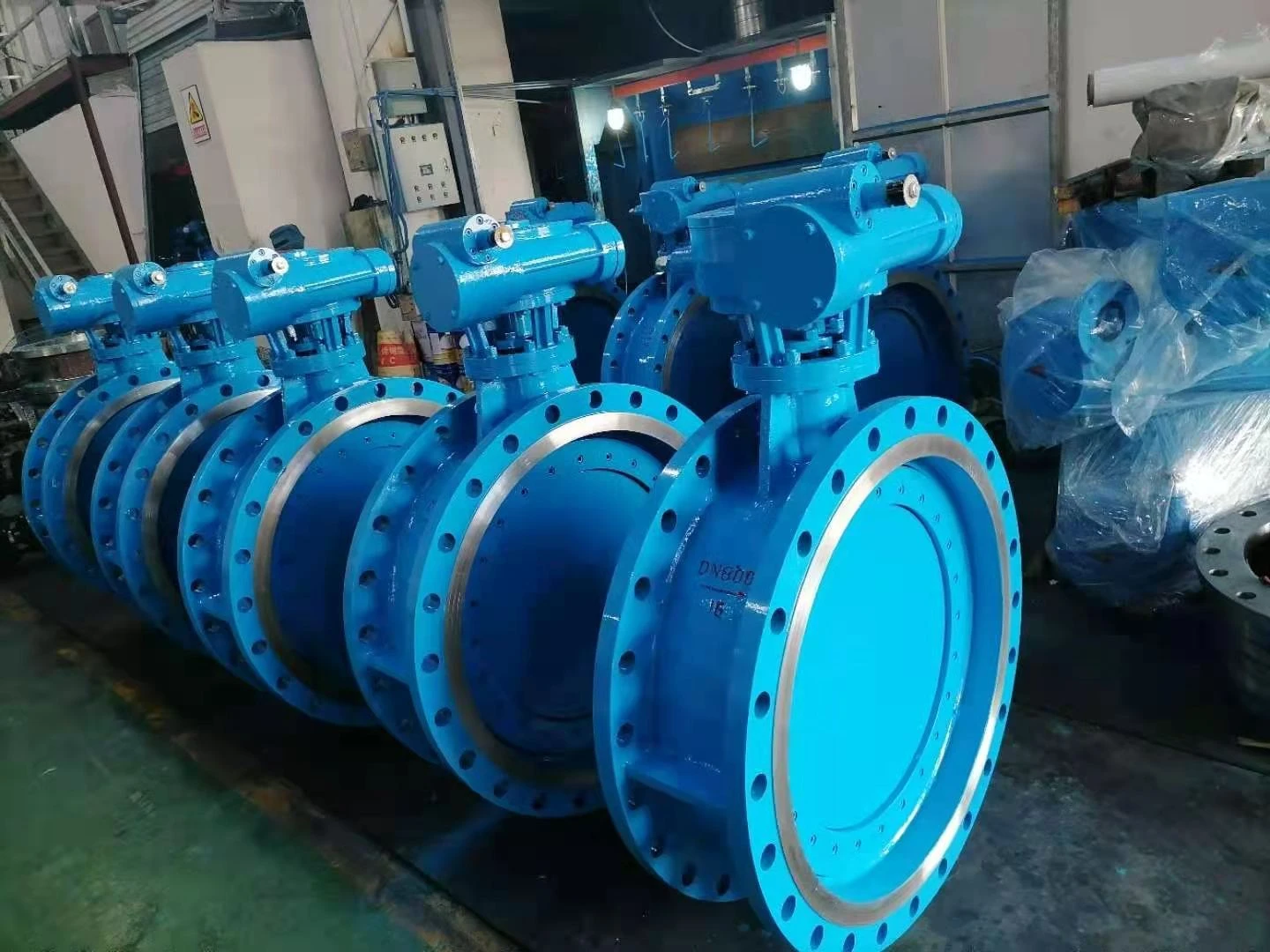
Water Supply System Check Valve Inspection and Maintenance Guide
Understanding Water Main Check Valves Importance and Functionality Water main check valves play a cr

Valvola di cancello a flangia da 6 pollici
Un componente essenziale nei sistemi di gestione dei fluidi industriali è la valvola a saracinesca f
 English